Wellness Practices for Physical and Mental Health

Introduction
Although wellness is defined by the lack of diseases, it refers to the concepts of disease prevention in physical and mental domains. Analyzing how some routines are beneficial for enhancing diverse aspects of individuals’ quality of life, this article covers fitness, mental state, coping strategies, and other factors.
Physical Wellness
Physical wellness involves caring for your body through healthy habits:Physical wellness involves caring for your body through healthy habits:
Exercise: Physical exercise in preparing the strength and the cardiovascular activities in persons.
Nutrition: Healthy nutrition and weight loss, deliberate eating and its effect on a person’s wellbeing.
Sleep: Asleep or wake, mentally and/or physically; the importance of quality sleep and the need to have healthy sleep.
Mental Wellness
Maintaining mental wellness is crucial for cognitive function and emotional stability:Maintaining mental wellness is crucial for cognitive function and emotional stability:
Stress Management: Ways that can be used to lower the rate of stress and build up coping mechanisms.
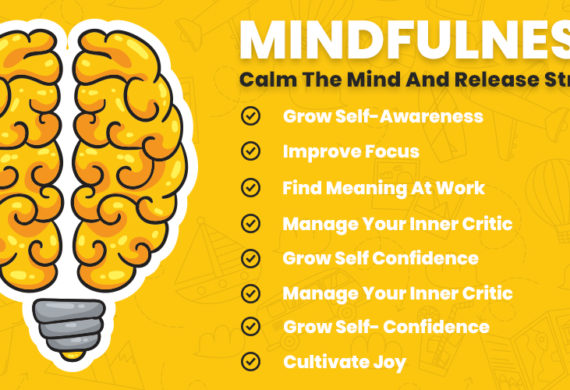
Mindfulness: Perspective of the ability to be engulfed in the current moment of time as a way of dealing with distractibility.
Relaxation Techniques: Techniques such as proper breathing, pray and meditation and yoga for relaxation of the mind.
Emotional Wellness
Emotional wellness involves nurturing feelings and managing emotions effectively:Emotional wellness involves nurturing feelings and managing emotions effectively:
Self-care: Being able to care for the self by doing exercises that helps with the emotional facet of a person.
Relationships: Interpersonal communication and relationship: Closeness and conflict.
Emotional Resilience: Learning lesson and coping strategies in dealing with different adversity in life.
Holistic Wellness
Holistic wellness integrates various dimensions of well-being for comprehensive health:Holistic wellness integrates various dimensions of well-being for comprehensive health:
Integrative Approaches: Balancing health that includes the use of body, mind, and spirit to obtain overall gains.
Balance: Strengthening balance and happiness in one’s life: purposeful actions and arrangements.
Well-being: Designing and promoting true wellness principles that directly contribute to the improvement of the individual’s standard of living in all areas.
Daily Practices for Wellness
Incorporating wellness into daily routines promotes consistency and long-term benefits:Incorporating wellness into daily routines promotes consistency and long-term benefits:
Habits: The promotion of healthy lifestyle that comprises of exercising and good eating habits.
Routines: Developing a clear schedule for the day and ensure that wellness activities form the backbone of the daily schedule.
Consistency: Stress and joy of practice regarding the sustainability of wellness benefits.
Workplace Wellness
Promoting wellness in the workplace fosters a supportive and productive environment:Promoting wellness in the workplace fosters a supportive and productive environment:
Strategies: Psychological wellness in organizational settings: Administering wellness programs and initiatives programmers.
Ergonomics: Establishing courts, lectures and conference comfortable settings for attenuating their physical health at work.
Mental Health Support: Promoting welfare facilities in the workplace for mental health.
Under determining Wellness in the Digital Age
Navigating wellness in the digital era requires mindful engagement with technology:Navigating wellness in the digital era requires mindful engagement with technology:
Screen Time: Dealing with potential problems of utilizing screens and its effects on mental and physical health.
Digital Detox: Recommended that people should have some time off their gadgets in a bid to rest their brains and body.
Mindful Tech Use: Programs on effectively using gadgets for productivity especially in light of the current coronavirus pandemic.
Wellness and Productivity
Connecting wellness practices with improved productivity and performance:Connecting wellness practices with improved productivity and performance:
Connection: Wellness and how it improves social relations/interactions and teamwork.
Energy Levels: The improvement of the energy production by the adoption of health and the effective management of stress.
Focus: Meditation and other forms of wellness as a method of increasing the sense of clarity and attentiveness.
Community and Social Wellness
Community support and social connections play a vital role in overall well-being:Community support and social connections play a vital role in overall well-being:
Support Systems: Creating and strengthening the social resources for buffers for emotional vulnerability.
Social Connections: Having meaningful and social contacts, hence being social.
Contribution: Supporting the community, involvement in volunteer activities and social projects.
Wellness and Aging
Promoting wellness throughout the aging process supports longevity and vitality:Promoting wellness throughout the aging process supports longevity and vitality:
Healthy Aging: Recommendations on how to adapt and keep good physical state and healthy mind at old age.
Mental Agility: In other words, instructions and actions that would improve the capacity and performance of the brain.
Longevity: Features that define particular life style for a healthy and an active senior citizen.
Conclusion
Therefore, the promotion of all-round wellness leads to a quality existence of the person. It implies the combination of excellent physical shape, a healthy mind, emotional stability, and a healthy lifestyle in one’s regular activities.
FAQs
I am new to wellness what can I do to begin with?
Start with some simple changes which could entail taking short walks in the morning or the use of breathing exercises during the day.
That is perhaps some of the quick stress-relieving methods that one can easily practice during a busy day.
Some of the efficient stress reducing techniques include ragon deep breathing exercises, shorter breaks at work, and progressive muscle relaxation.
They spotted that getting enough sleep is related with overall health, yet they were not really certain why this is certainly the case.
Sufficient rest enables the body and the mind to be healthy by effectively supporting the cognitive and the emotional aspects of life.
What are the advantages of corporate wellness programs to the worker and the company?
They can enhance the employees’ morale, performance and also cut down on the incidences of illnesses hence would enhance the moentum of healthy lifestyle.
Kindly consider how mindfulness contributes to improvement of the levels of emotional health.
Mindfulness increases individuals’ self-consciousness, decreases stress levels and makes them develop proper coping mechanisms.
Sign Up To Get The Latest Digital Trends
Get free Consultation on Personal Development
Related Posts