
What a Recession Means for Workers’ Battle over Return-To-Office
Introduction
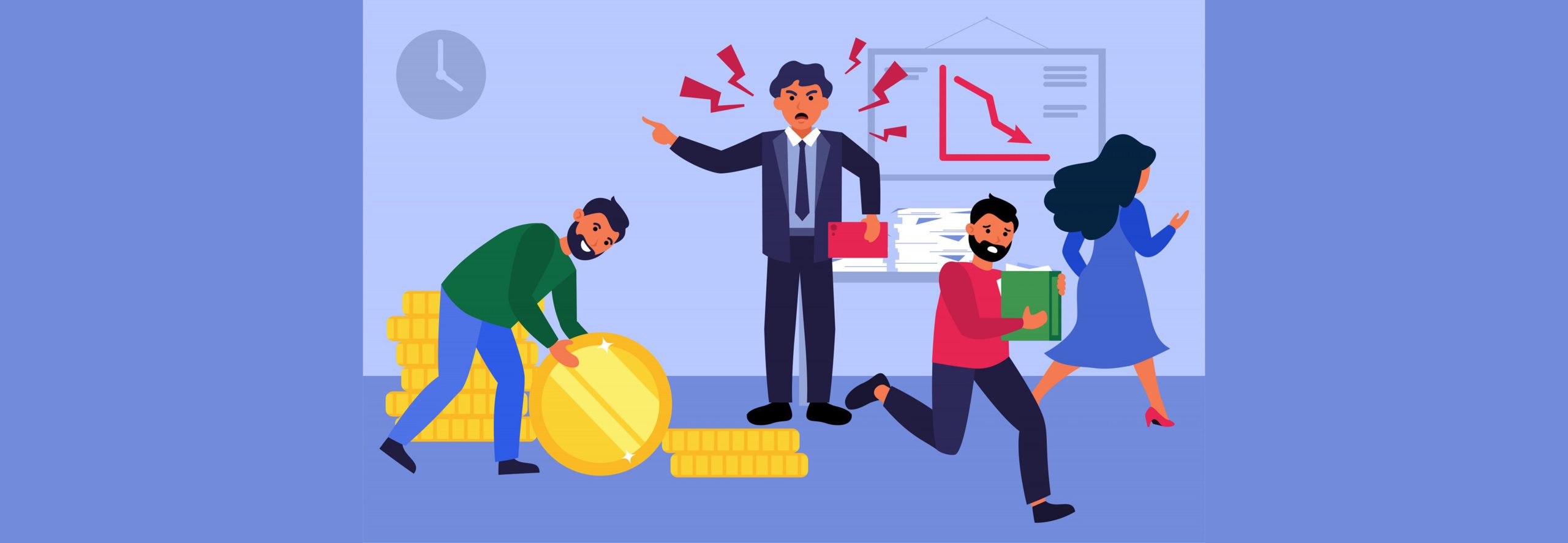
The employees all over the world have had a hard time in recent years due to ever-rising challenges. The outbreak of COVID-19 distorted normal working employment structures since most employees were forced to work remotely. As the world gradually recovers from the pandemic, another challenge looms on the horizon: the existence of the possibility of a recession out there. It is important that in this article we try to understand what a recession entails for workers and employment and how this will influence the current debate on the struggle for the return-to-office arrangement.
Redefining Recession and Its Effects on the Employees
However, to fully grasp the various aspects of the return-to-office discussion, one must first define what it means for an economy to be in a recession first. A recession is defined as a downturn in the economy which is characterized by a decrease in spending, poor investment, and high unemployment rate. This economic decline can have strong impacts on the labor supply in one economy.
The Change in Working from Home during the COVID-19 Pandemic
Arguably, the most powerful changes that have occurred because of the virus are the changes in the approach towards remote work. Businesses in various sectors were able to assimilate to this by providing employees an opportunity to work from home thus creating this new normal. In the era of the health crisis, remote work was a life preserver; however, its impact on the employee did not remain clear.
Difficulties Experienced by Employees During the COVID-19 Pandemic
The outbreak of the pandemic meant that people had to work remotely, and this came with the following challenges to the employees. These were things like stress with social isolation, inability to separate work and family responsibilities, and the inability to differentiate between personal and professional life. During the development of the outside threat, the discussion on when and how employees should return to the office began.
Return-to-Office: A Controversial Topic
The Debate Surrounding Return-to-Office
It became a major area of concern that when and how the employees should come back to the office. Some called for a quick resumption of business as usual, while others stressed the need to take things slow and be safe while being as flexible as possible at the same time.
Employee Concerns
Some of the issues reported by many workers are complicated to explain regarding the impending returns to physical workplaces due to the existing economic problems. Stability in employment or job loss was one of the concerns mentioned, and this was towards industries that received the hardest blow fromthe COVID-19 outbreak. Moreover, employees’ concern toward the cut of their wages and salaries as well as other benefits due to the financial difficulties organizations have faced.
Employer Perspectives
On the other hand, the employers were not left behind in the challenges that comes with implementation of this policies. They had to address the requirements of having a efficient workforce and at the same time ensure they were protecting their workers. Some organizations understood the advantages of working from home, while others assumed that face-to-face interactions were critical for employees’ productivity.
Economic Uncertainty and Reacing Fear
Job Insecurity
This resulted in the workers back having anxiety with an insecurity of losing their jobs especially with the looming of a recession period. People anxious about getting fired or losing job prospects in an environment of limited employment opportunities.
Reduced Compensation and Benefits
Layoffs and reduced wages and benefits are typical scenarios that might be set by the company in the framework of economical restraints, characteristic for a recession. This put additional financial pressure toward thinking about work that stoked up the discussion of returning to work physically.
Mental Health Challenges
They also learned that economic insecurity, difficulties in a new working-from-home environment, and the threat of job loss negatively affected the worker’s psychological well-being. The demand for counselling and other mental related services was on the rise.
A culmination of a string of events that has led to the New Normal business state.
Hybrid Work Models
Many organizations started opining that it was necessary for them to go for hybrid models of work in an attempt to attend to the concerns of both employers as well as the employees. These models provide the main principle of working from home while also allowing for some face-to-face interactions.
Upskilling and Reskilling
Employees became also aware of the fact that they need to learn new skills or refresh their skills in order to cope with the changes in the job market. Employability was the major reason that urged people to learn new skills.
Employers’ Participation in the Wellbeing of the Workers
Flexible Work Arrangements
This paper explores how employers also stood in a specific and vital place to support the workforce. Arrangements for flexibility at the workplace for instance the hybrid workers and the remote working were showed that there was value for employees’ welfare.
Mental Health Support
Knowing the problem of employees’ mental health, some organizations expanded their attention to the mental health of their human capital, offering them counseling and wellness.
Training and Development
Purchasing of employee training and development turned into a business strategy. Besides, this elevated the level of knowledge and skills among the employees but also increased their motivation and satisfaction with work.
Measures at the political level and protection of workers
In the midst of these, the policies that sought to safeguard employees in the event of an economic crisis became essential in governments’ agendas. Such policies were under the facets of unemployment, payments, job stimulus, and retraining.
Conclusion
Return-to-office is an intricate conflict caused by economic anxiety, workers’ and employers’ approaches and intentions. On one hand, the global community is dealing with the consequences of pandemic and use of remote work on the other hand the stability is the prime factor of any company and business in current world, or there is a probability that it may turn into recession same as in 2008.
FAQs
11. 1 What is a recession?
A recession refers to a reduction of economic activity which is marked by low spending by households, little spending on capital by business men and women, high levels of unemployment.
11. 2 What are the impacts that were experienced in relation to employment due to the pandemic?
The outbreak of the pandemic influenced working from home and economic turbulence, which resulted in risking one’s position and new patterns of working.
11. 3 Based on the course material, what are the most important issues that employees may have concerning the return to work in the office?
Employees are anxious about their ability to maintain their job, their decrease pay and the effect on their wellbeing while facing the transition to working from office.
11. 4 How can employers reduce workers’’ apprehension in a recessionary period?
There are various ways that employers can reduce and even eliminate worker concern during a recession, provided they increase flexibility at work, improve mental health programs, as well as train and develop their employees.
11. 5 What policies does the government have that would help in the protection of the workers especially during recession periods?
Subsidy measures can include offering of unemployment benefits, use of stimulus packages and providing of job retraining opportunities to the workers in a bid to support workers during periods of economic adversity.
Sign Up To Get The Latest Digital Trends
Get free Consultation on Development
Related Posts