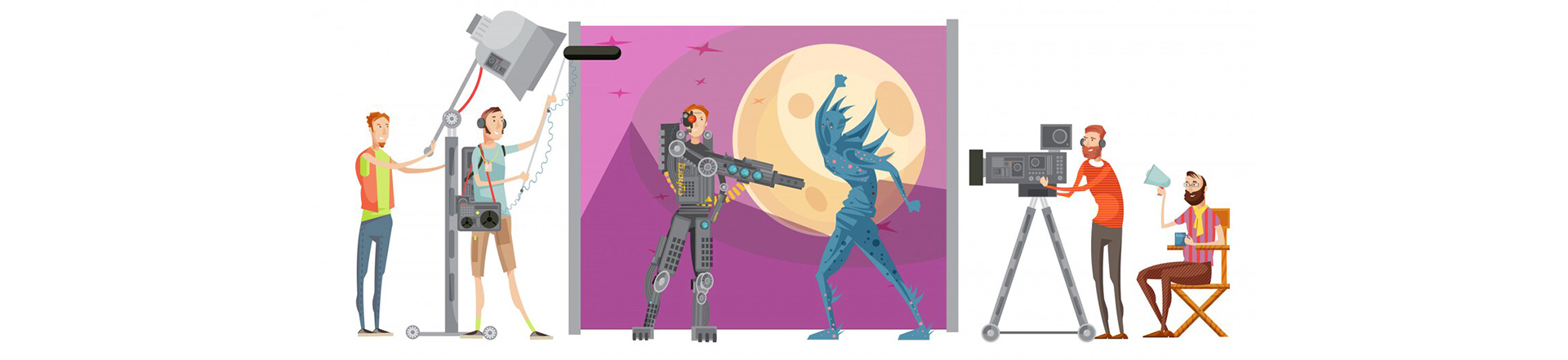
A Day in the Life of a Digital Animator

Ever thought to yourself, ‘what working on the animations in the movie, a game, animations displayed in an advert’? The work of a digitally animator implies both art and technology in order to create characters, stories and worlds. So now let’s turn the spotlight on a digital animator and consider what schedule this professional might have.
Getting Started: Morning Routine
It is a general rule of thumb that great days are built with great mornings and so for animators, as expected, it is not the exception. Pre-production might consist in stereotyping the animator and preparing the working environment, arranging tasks and getting into the mood. For some sketching ideas just feel good while others quickly get to their project with a cup of coffee on the side. In the morning you should also take time to go through the responses made by the clients the previous day and set your mind for a creativity working day.
Tools of the Trade
Hardware tools and software tools are the main components of a toolkit that a digital animator requires. These include; Power computers, graphics tablets, Adobe After Effects, blender and maya are just but some of the most important tools used while coming up with animations. Every tool has its function—modeling, texturing, lighting or animation—and a professional animator must know them all, although he might specialize in one.
Project Kick-Off
Depending on the circumstances animators, as a rule, start organizing their work day by checking their objectives. It might include considering concepts with the team, or after a script meeting reviewing the material, or glancing at images to decipher the project. In general, kick-off meeting is an effective way to clear all main goals and expectations before going straight into production.
Storyboarding: The Blueprint of Animation
Storyboarding is when the animation’s story begins to come to life The first step of storyboarding is to sketch. A storyboard is a depiction of how scenes well be shot with each frame illustrating the scene in a selected manner. They are critical to chart out scenes, timing or characterization of characters within these scenes. It should be emphasized that storyboarding is the animator’s tool that can be viewed as the map of the whole project and lets indicate each next visual stage. It helps to prevent some unexpected situation further, and shows all participants all the process of the project.
Designing characters for an animation movie and designing backgrounds for scenes in an animation movie
When the story board is set out it’s time to create the characters, backgrounds and all effects that make the graphic story. An example of digital animators would be sketching characters, designing colors and coming up with some appearance that would be suitable for the project in progress. This step is all about constructing world of the animation, checking whether all apparent objects are thematic and correspond to the mood of the story.
Animating the Scene
Animation is actually the core work and is now the following or comes next: An animator at the use of the stretcher, programs to move characters and objects from one frame to another in natural movements. This may take a while as every small change adds to the development of the scene’s rhythm and its mood. Actors put keyframes to indicate specific points in movement, while filling in the action that will make characters walk, talk or perform any other action.
The S model problem solving and troubleshooting
Working on an animation is never an entirely painless process, a lot of times animators experience technical issues or creative problems or even the hard ware gets in the way. Due to the need to access high levels of creativity and innovative nature, animators solve many problems every day. Depending on whether one is working on animating a character’s movement or administratively correcting some error on the new software, such hurdles make the work quite interesting.
Communicating and working with the people in the team
A digital animator is not a worker who performs his or her duties alone. Creative people often work with other writers, designers, sound engineers, and it is critical to maintain a united sense of style and mood. Sure thing, meetings and feedback sessions are common in an animator’s work schedule, so that тимбилдерs the whole team is on the same page. This works well in coming up with the final animated movie since everyone brings in his ideas in the end.
Feedback and Revisions
When the animation has been developed, animators can draw iteration cycles of feedback and modification. This is usually expected to be done by a director or the client through adjustments concerning a character’s gesturers or the flow and rhythm of a scene. Such changes enhance the animation, whether in the purpose of correcting a client’s misconception of a particular animation, or to ensure an animation has the desired effect.
Rendering: Finalizing the Project
The last technical process, the final stage in creating an animated picture, is called rendering. Something that is not easy is converting high quality animation files using smpte as the timing source because this takes time and a lot of computer power is needed. If the animator is fortunate enough to have the character on a turntable, he might wait hours to get each shot and assemble what amounts to a polished version of the scene for delivery.
Midday Break and Refresh
Like any artistic process, animation is very demanding, therefore, everyone needs a break. Most animators have lunch hour to allow them to get away from their monitor and come back refreshed. Most of them prefer to take a stroll or do some exercise before resuming work as realizes they are able to approach the second part of the working day with a fresh vision.
Working with Deadlines
As in any other art-related industry, there are due dates in relation to animation. Proper planning of work is likely to be important because most projects come with a timetable. Even an animator, when working on an animation must effectively bring out quality work in order to make the deadline without compromising the quality of the animation. Deadlines can be a problem but at the same time they give framework to the creation.
Self-Improvement and Learning
Today there are many trends and technologies that are developed in the sphere of animation and now in use. An animator spends some time stoking up his/her knowledge, which can be spent on testing new programs, watching option or studying modern trends. This commitment to growth ensures that animators remain well equipped, creative and are able to present new and unique projects.
End-of-Day Wrap-Up
Towards the closing times of the working day animators go over what they have done, backup their data and document what they are planning on doing the subsequent day. This wrap-up becomes useful for them as it enables them keep tabs on their projects and prepare for the following morning. It’s also a time they can sit back, look at what they have produced and then contemplate on the next course of action.
Conclusion
A day in the life of a digital animator is as colourful as the products digital animators come up with. Even the most rudimentary process of pre-visualization and conceptual drawing to creating characters, to the actual animation and working in a team is both art and science, and involves decision making. There are some difficulties, but it definitely becomes very fulfilling when you get to animate peoples’ stories and transform it into a characterpersona.
FAQs
Which software do digital animators windows?
Some of the familiar applications which are used by animators include Adobe After Effects, Blender, Maya and Toon Boom.
To what extent does it take to finish an animation project?
The time required for the completion of the project depends on the extent of the illustration to be animated – basic animations may take days, while complex animations take between weeks or even months.
Is animation a team effort?
Yes, being an animator you have to work with writers, designers, sound engineers and other animators in order to combine your efforts in making a project.
Which competencies are relevant to an animator who works in the digital field?
In addition to this, an animator should be creative, hard working, patient, and possess a fine skills in animation software applications .
Can animators handle different tasks at one time?
Often, animators work on multiple tasks, and distribute their time and goals for each of them.…
Sign Up To Get The Latest Digital Trends
Get free Consultation on Animation
Related Posts